win.gg

Overwatch

Overwatch Season 19 has limited map pool, drops Paris, Horizon News
Overwatch Season 19 has limited map pool, drops Paris, Horizon Olivia Richman At an Overwatch press conference at BlizzCon, it was revealed that Season 19 will have some major changes regarding the game’s competitive map pool. Unlike previous competitive seasons in which players had 21 available maps, Season 19 will only be offering 12, according to an Overwatch journalist present at the panel. They went on to say that Paris and Horizon Lunar Colony would not be in the 12-map pool in …
Overwatch game mode Push explained in-depth by Jeff Kaplan News
Overwatch game mode Push explained in-depth by Jeff Kaplan Fariha Bhatti Alongside the reveal of Overwatch 2 was the announcement of a new game mode. Push will join Assault, Control, Escort, and Hybrid maps as PvP game modes. The new game mode will also be added to Overwatch 1 at some point. Jeff Kaplan revealed the match type during a presentation at BlizzCon 2019, and introduced it as a new core game mode. This means Push will be added to the …
Overwatch 2 Story and Hero Mission details revealed News
Overwatch 2 Story and Hero Mission details revealed Fariha Bhatti Overwatch 2 was officially announced at BlizzCon and with that reveal came details on the new additions to the game. Alongside a visual update, new maps, and new heroes, the sequel will introduce a number of new game modes. Overwatch 2 will focus on cooperative gameplay, with the biggest addition being a full-time PvE mode. Much like the Archives events that happen once a year, players will have the chance …
Fans rejoice as Sojourn announced as new hero in Overwatch 2 News
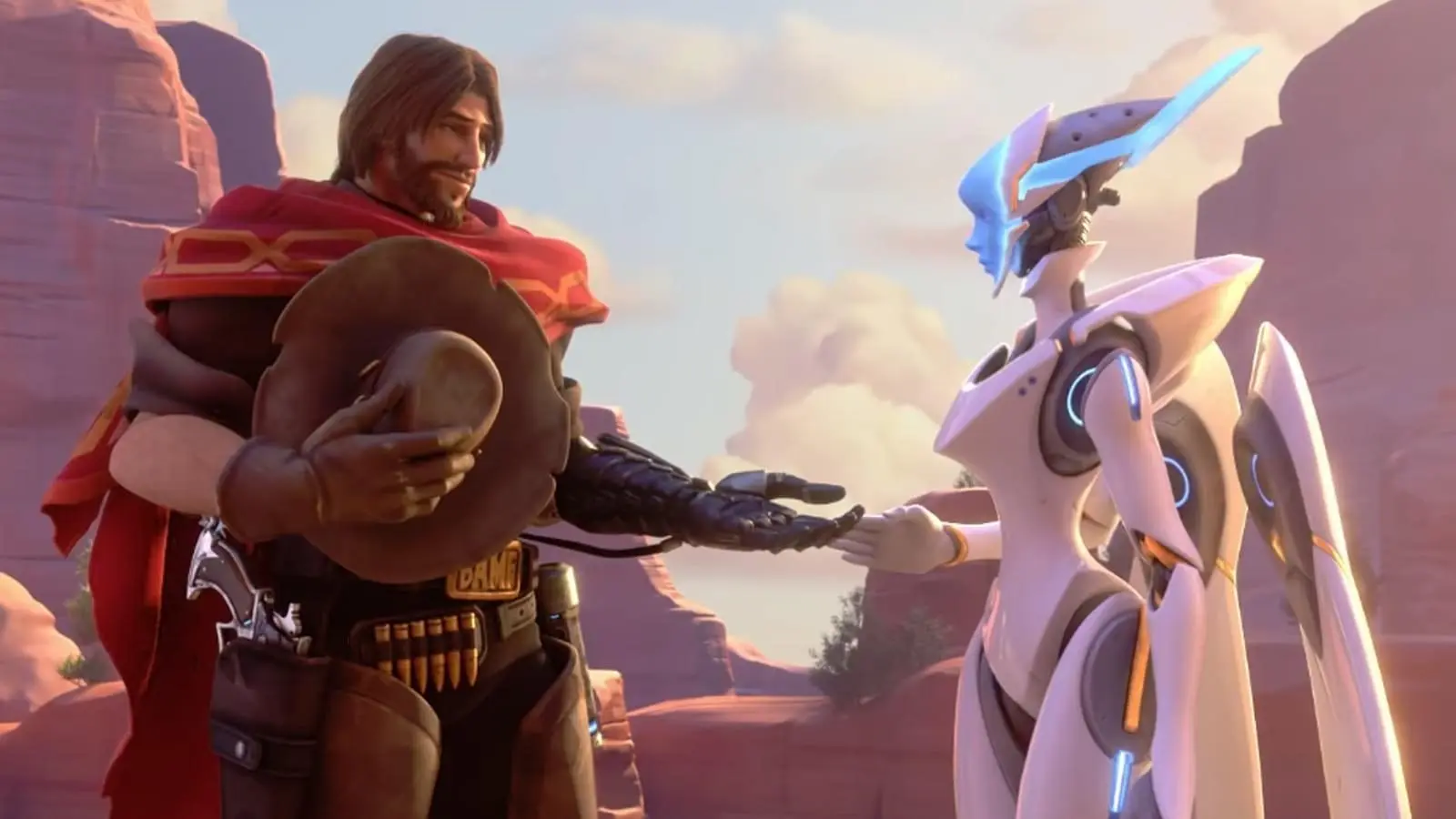
Fans rejoice as Sojourn announced as new hero in Overwatch 2 Olivia Richman Since Overwatch’s initial launch, fans have been curious about a character named Sojourn.  The soldier first appeared in the animated short “Recall,” introduced to Overatch fans as an agent who received a message to rejoin Overwatch.  The three-year-old short was posted to YouTube before the game’s launch. It centered on Winston, who is debating if he should recall Overwatch’s original agents after Talon attacks Watchpoint: Gibraltar.  “I do miss the …

Overwatch has become a mainstay in competitive gaming, though the Blizzard creation hasn’t always had a smooth road to travel. From massive peaks of success to major controversies and dips in popularity, the Overwatch franchise has proved resilient, still playing host to legions of players and fans.

Along the way, the game served as host to one of the most ambitious projects in the growing history of esports, and saw the release of a sequel that changed in form and function multiple times before finally releasing to the public.

What is Overwatch?

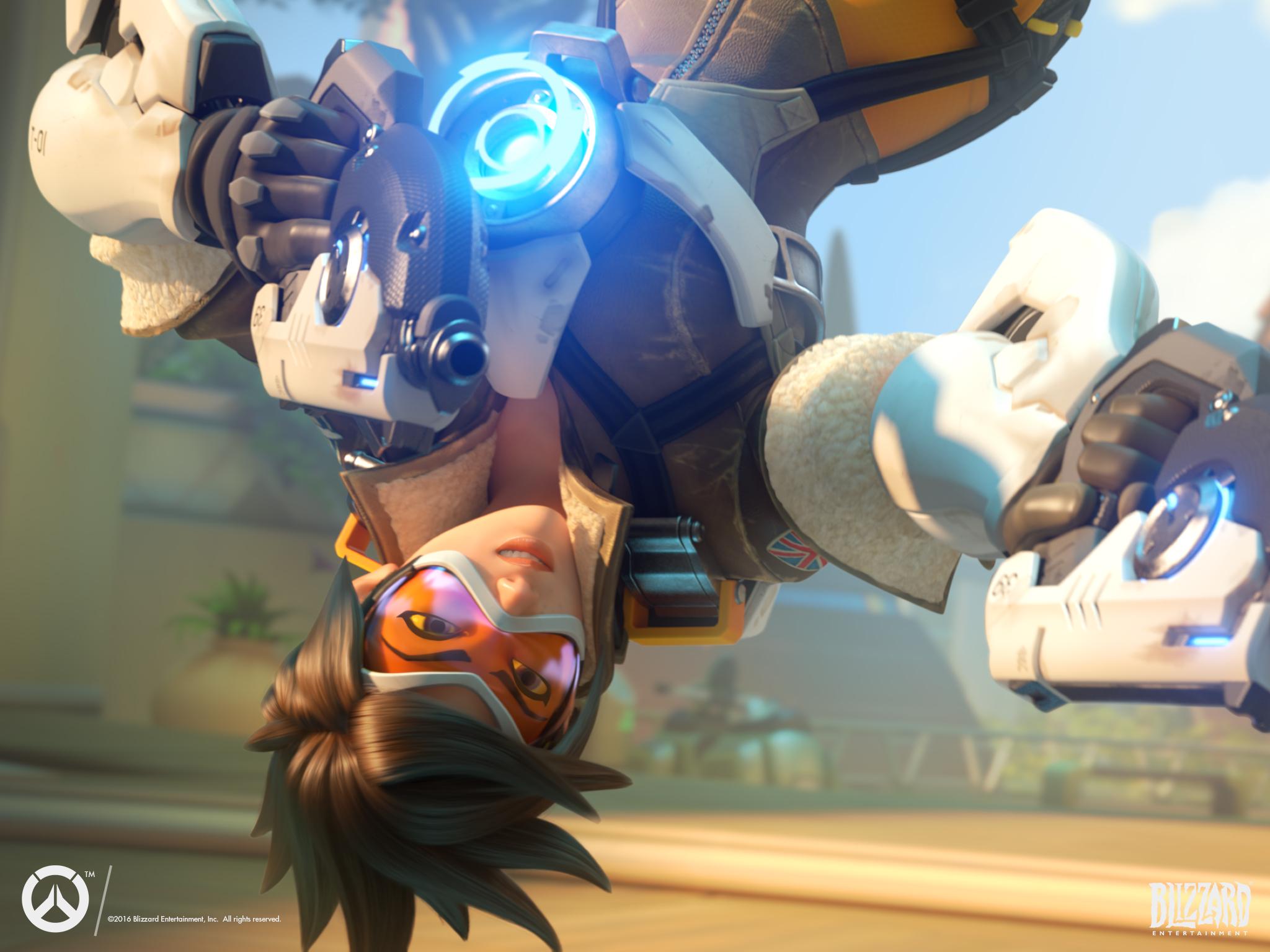
Overwatch is a prototypical “hero shooter,” a game that combines first-person shooting gameplay with heroic abilities that are unique to each of the game’s diverse cast of characters. One character might swing a giant hammer and wield a protective shield behind which teammate can take cover, while another might zip around the game’s world with twin guns blazing, warping time and space at will.

That variety of characters and playing styles is a big reason for Overwatch’s success. When no two characters play exactly alike, the sheer variety available in the game becomes a draw. Throw in colorful visuals, dynamic and responsive gameplay, and action-packed battles between teams of opposing players all combining their different abilities together, and you can begin to understand the popularity of Overwatch.

When developers at Blizzard first released Overwatch, there was nothing else quite like it. The closest any major release had come was likely Team Fortress 2, which also featured teams of opposing characters wielding varied abilities in prolonged battles. But Overwatch leaned even further into the unique qualities of its characters, including their presentation. Across PCs and consoles alike, the game proved to be a sensation upon its 2016 release.

What happened to the Overwatch League?

Originally founded in 2017, the Overwatch League was meant to serve as a long-term competitive hub for the game’s professional teams and players prior to its official shutdown in 2024. The league was created with big ambitions in mind, as Blizzard, by then partnered with massive publisher Activision, planned to seed local teams in a variety of cities spread across the world. The idea was to emulate traditional professional sports by rooting pro teams in certain cities and regions in the hopes of cultivating local fan followings.

This was a big change compared what had become the standard in esports, with esports organizations representing themselves to their fans regardless of region. At most, broad regions such as North America or Europe were most often marketed to by individual teams. To hone that in on a specific city was a significant change.

Activision-Blizzard also took the step of making pro Overwatch a closed system; that is, high-level tournaments were broadly restricted outside of official OWL events. While this exclusivity offered theoretical opportunity for the OWL through scarcity, it was also a different approach relevant to the established norm in esports, which traditionally saw smaller grass-roots events feed into a game’s highest levels as tournaments gradually scaled up in prominence and prize offerings.

Demanding tens of millions of dollars from investors who sought to own an OWL team and signing big-money exclusive broadcast deals with streaming platforms, the OWL got itself off to a hot start. But concerns over flagging viewership and overall revenue struggles persisted as the league marched forward. Its intended model proved unsustainable, and the league was eventually shut down.

Do people still play Overwatch?

Despite the fate of OWL, Overwatch remains broadly popular in its current form: Overwatch 2. The game remains under active development at Activision-Blizzard, regularly receiving new in-game events and more unique heroes with special abilities that allow the game to be played in different ways.

The release of Overwatch 2 was itself not without some controversy, as Blizzard’s plans for its contents changed and shifted through the sequel’s development cycle, and the final version of OW2 released as more of a continuation of the original game than a distinctly different sequel. But that continuation still preserved the gameplay and overall experience so many players had come to love about OW. For them, getting more of the same ultimately was not an issue.