
What new Valve policy means for gambling, skins betting in CS2



Valve has formally barred Counter-Strike 2 teams from promoting or otherwise displaying materials relating to gambling and betting with in-game CS2 skins and cases during official tournament broadcasts. But what does that mean for the game’s esports scene, and will it affect other forms of betting?
While CS2 has become closely tied to betting in 2025 and in prior years, largely owed to its case-opening system that essentially serves as an in-game gambling mechanic, Valve is now tightening its controls over how third-party platforms interact with the game as an esport. The latest amendment to the Tournament Operation Requirements reinforces a firm stance against skin-gambling sites, drawing a clearer line between acceptable real-money gambling and betting sponsors, and those that promote prohibited skin- and case-based operations.
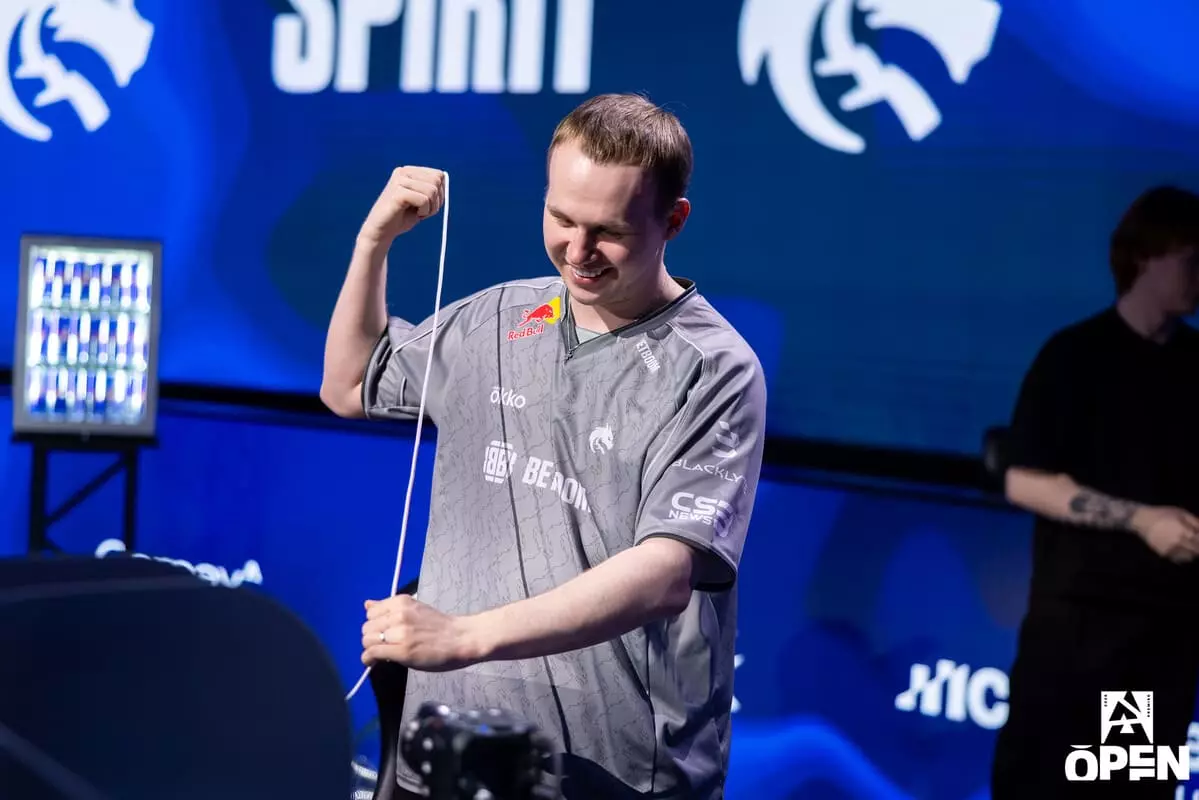
The update prohibits CS2 teams from promoting any skin-gambling or item-based gambling services on their jerseys, via broadcast graphics, or through any other materials shown during official tournaments. This restriction applies across all of CS2 esports, whether the tournaments involved are ranked or unranked.
Did Valve ban gambling sponsors in CS2 esports?
Valve has prohibited any displays that promote gambling and betting using CS2 skins and cases, but the ban does not apply to real-money gambling and betting platforms. These restrictions apply to displays on jerseys, overlays, or any other materials shown during official CS2 esports broadcasts.
Teams are not banned from privately featuring such sponsors, but they cannot use CS2 events or streams to market them in any capacity. Sponsors promoting real-money gambling and betting through online casinos and digital sportsbooks are not effected.
Valve explicitly restricts any platform that violates Valve’s IP rights or the Steam Subscriber Agreement from appearing on team jerseys or broadcasts. This includes in-game case-opening platforms and skin-trading casinos that rely on Steam inventories to enable wagering. These services operate by monetizing or exchanging Steam items, which violates the Subscriber Agreement and makes them incompatible with Valve-licensed esports events.
It’s worth noting that this update doesn’t impact teams like Team Vitality and 100Thieves, who have partnered with Stake and Roobet, respectively. This is because those platforms run as traditional sportsbooks and online casinos rather than gambling operations that rely on in-game CS2 skins and cases.
These sites function as off-platform gambling entities with their own liquidity pools and verifiable payout structures. Their risk models for CS2 betting are anchored in traditional iGaming frameworks, not in the fluctuations of the CS2 skin market.

100Thieves Roobet logo. Credit: 100T CS
Many skin-gambling sites are tied directly to users’ Steam accounts, with access to inventories worth hundreds of even thousands of dollars without regulatory oversight or safeguards. Even if some platforms maintain strong security, Valve still has no control over how those items are traded or monetized, which makes their involvement in CS2 esports far too risky for the company to stomach.
With the new ruling in place, teams previously tied to skin-gambling sites will likely need to adjust their jersey designs and general approach to promoting these partners. Valve reportedly issued notices ahead of the StarLadder Budapest Major 2025, so the full impact of the change should become more visible across upcoming events as esports organizations involved in CS2 competitions update their branding.
While the guidelines don’t explicitly prevent teams from partnering with sites that promote skin and case gambling, the new ruling will heavily influence how such betting platforms choose to work with esports organizations. With on-stream visibility off the table, skin-focused sites may lose some of the value they would otherwise get from sponsoring CS2 teams, making those partnerships less fruitful for all involved.

Featured image credit: Team Vitality

Fariha Bhatti is a long-time gaming writer who loves competitive FPS games and slots with particularly fun themes. She got her start playing classic games developed by SNK, from legendary fighting game series The King of Fighters to challenging platform franchise Metal Slug. She now spends most of her time playing Valorant and Counter-Strike 2 while working her way through new slot releases to find her next favorite. Fariha has been published at PCGamesN, TalkEsport and ONE Esports.
View full profileRead Also
 Counter-Strike
 Valorant
 Counter-Strike
 Counter-Strike
 Counter-Strike
 Counter-Strike
 Counter-Strike