
Oddin.gg’s head of risk helps explain how alleged match fixing during Dota 2 at EWC was flagged



The Dota 2 competition at The Esports World Cup 2026 was shaken to its core during the Survival Stage earlier in the week when Southeast Asian-backed, South American team PTime (better known as PlayTime) were removed from the event citing “integrity concerns.”
While the case is still ongoing, and none of the accused confirmed to be guilty, one of the biggest questions behind the incident was just how these concerns were raised. For the general public, the process by which EWC, the Esports Integrity Commission (ESIC) and other parties were able to discover and flag the incident is largely obscured.
We reached out to Oddin.gg, a major provider in the esports betting space to see if they could offer some insight into this remarkable situation in Dota 2.
Oddin.gg weighs in on Dota 2 at EWC’s potential match fixing incident
Oddin.gg are an esports infrastructure services provider for esports, who are part of the International Betting Integrity Association and a partner of ESIC as an anti-corruption supporter.
As part of their services, Oddin.gg offers the kinds of risk management solutions that helped flag the PTime case at the Esports World Cup 2026 earlier this week.
While the company was unable to share precise details about detection methods or specifics on the case, Oddin.gg’s head of risk management, Ondřej Žemba, commented on the incident and explained a little of the process.
Early reports seem to suggest that ESIC was able to detect and flag ‘suspicious activity’ and then inform the EWC. Are you able to explain a little about how suspicious activity is detected and the process of sharing this info?
Ondřej Žemba: “Once a certain number of red flags have been triggered, the match in question is investigated. Our specialists analyze the users involved and their betting activity, and if the level of suspicion is high enough, the information is shared with both IBIA and ESIC.”
Is it possible for these systems to malfunction? For instance if it relies on outliers to track suspicious activity, can there be false positives from, for example, new users making big first time wagers, etc.? As a new user might for a big event like EWC?
Žemba: “Of course, false positives do occur from time to time. It is important to emphasize that everything remains a suspicion or an allegation until an integrity body such as ESIC confirms it through its own investigation.”
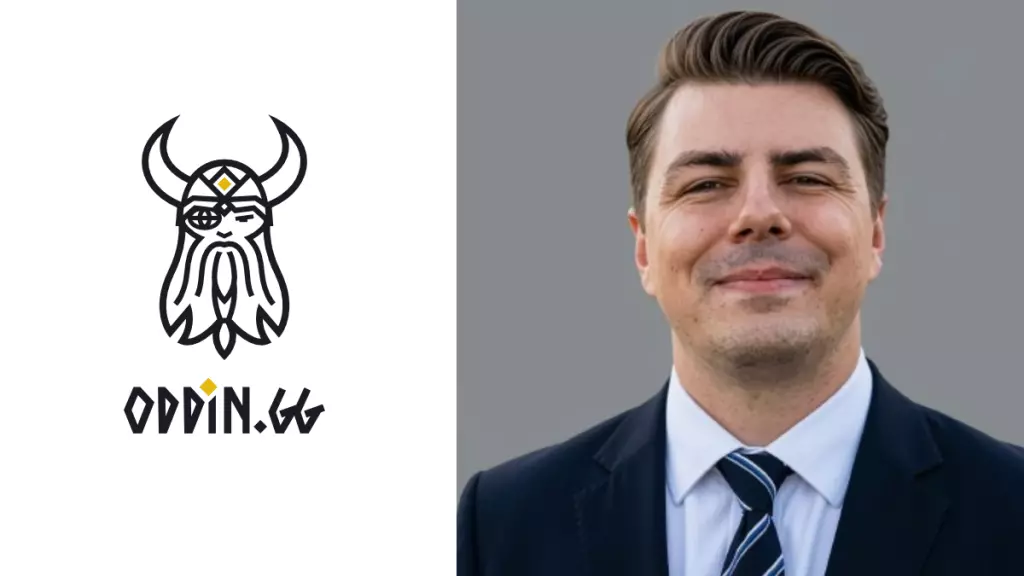
Oddin.gg’s head of risk management Ondřej Žemba. Image Credit: Oddin.gg
In these kinds of situations, what is Oddin.gg’s role in the process, and what systems do you implement to safeguard against elements like match fixing/integrity issues, etc.?
Žemba: “As an odds provider serving a large number of clients across the globe, we are in a unique position to identify suspicious betting activity, as at least some of our clients are typically affected when match-fixing occurs. While I cannot disclose the details of our safeguards, we have multiple layers of protection, including an AI-powered alerting system; one of the industry’s most comprehensive blacklists of players and teams, built on years of accumulated knowledge; and a team of experienced integrity analysts monitoring betting activity 24/7.”
This is perhaps the highest profile event that’s ever had significant match-fixing accusations levelled at it. Is this an indication of the overall level of match fixing across esports, or rather a big outlier?
Žemba: “I believe this sends a strong message to those involved in match-fixing that it is becoming increasingly difficult to manipulate matches. The industry is more united than ever, with a growing number of bookmakers and providers joining ESIC and IBIA. This enables broader and more effective information sharing, which is essential in the fight against match-fixing.”
How can future events prevent repeat issues like this, or do you believe there will always be those who undermine integrity?
Žemba: “Match fixing is unlikely to disappear completely. The objective is to reduce the number of incidents as much as possible. I believe one of the most important steps tournament organizers can take is to work with a trusted integrity partner, such as Runestone, to help prevent, detect, and investigate suspicious activity.”
Ondřej and Oddin.gg also shared a more broad statement about the incident:
“Most integrity risk in esports sits in lower-tier competitions, so when concerns surface at the highest level, the speed of the response matters more than anything. That response depends on operators, suppliers, tournament organizers, and bodies like ESIC and IBIA sharing information quickly. Provisional suspensions at an event of this scale show the integrity framework doing exactly what it’s built to do. No system prevents every attempt, but the ecosystem’s ability to act before an investigation concludes is a sign of maturity, not weakness.”
Ultimately, while there is (rightfully) doom and gloom for South American fans after PTime’s unusual exit from Dota 2 at EWC 26, the fact there was a quick response, during the event, and before wrong-doing occurred, is potentially a positive sign for Dota 2 (and perhaps esports as whole).
Featured Image Credit: EWC/Esports Foundation
Michael is a eight-year veteran of the games writing space, but has being playing them for as long as he can remember. With bylines across the internet, he’s used his expertise to cover esports, prediction markets, mainstream gaming, streamers, and more besides.
View full profileRead Also
 Dota 2
 Dota 2
 Dota 2
 Dota 2
 Dota 2
 Dota 2
 Dota 2