League of Legends
 Esports Betting
NA has a winning head-to-head against EU at MSI for the first time since 2018
Wasif Ahmed
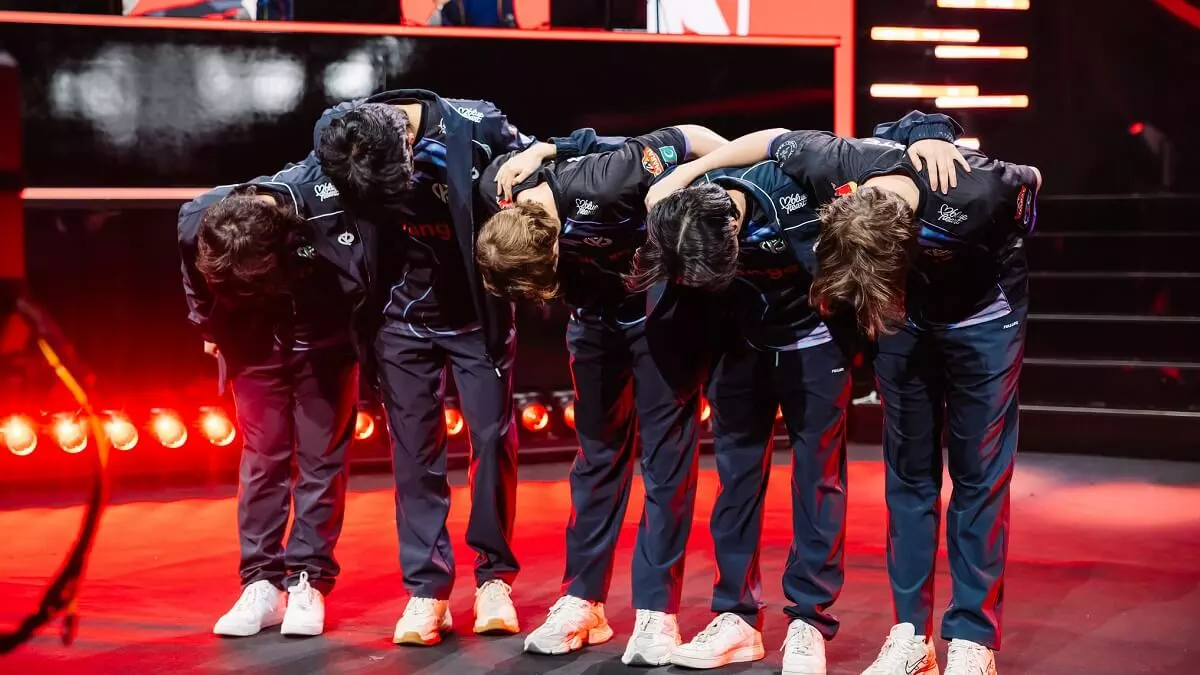
LYON just beat G2 Esports 3-0 at the LoL 2026 Mid-Season Invitational. Right off the high of beating the six-time World champion T1, the LEC representative quickly came back to Earth as NA cut their run short. Now, North America is ahead of Europe in the head-to-head for the first time since 2018. After G2’s victories against Top Esports and T1, the predictions were split. Part of the community rationally …
 Esports Betting
Hanwha Life Esports barely beats LYON 3-2 at LoL MSI 2026
Wasif Ahmed
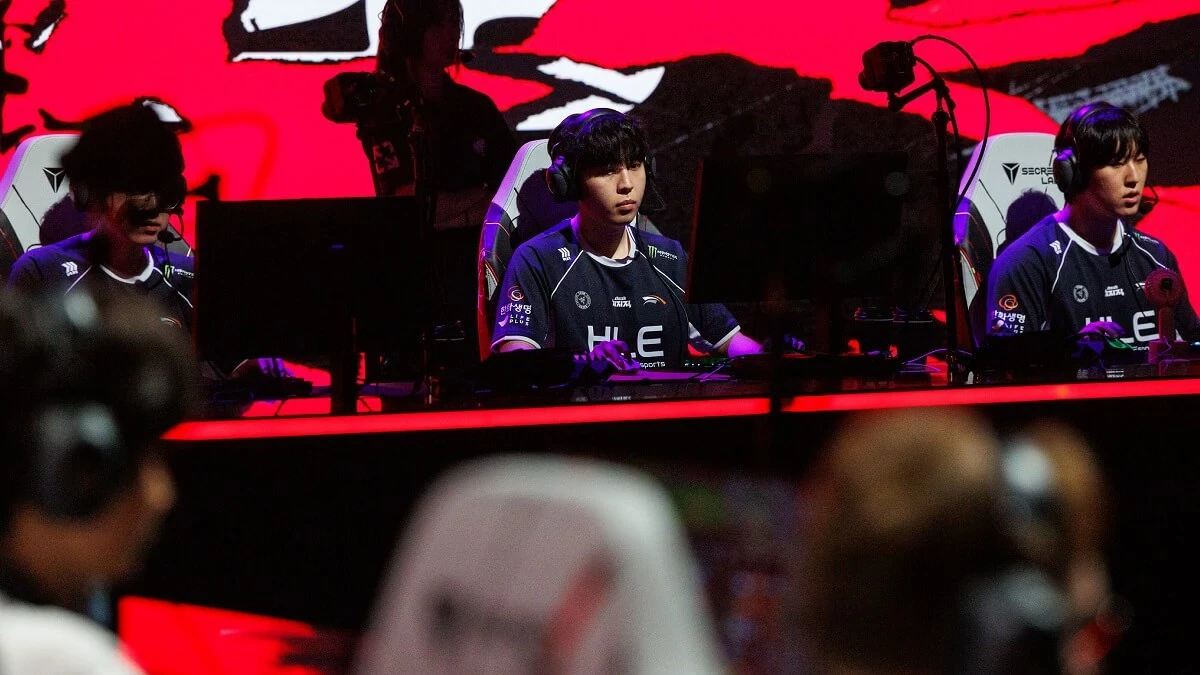
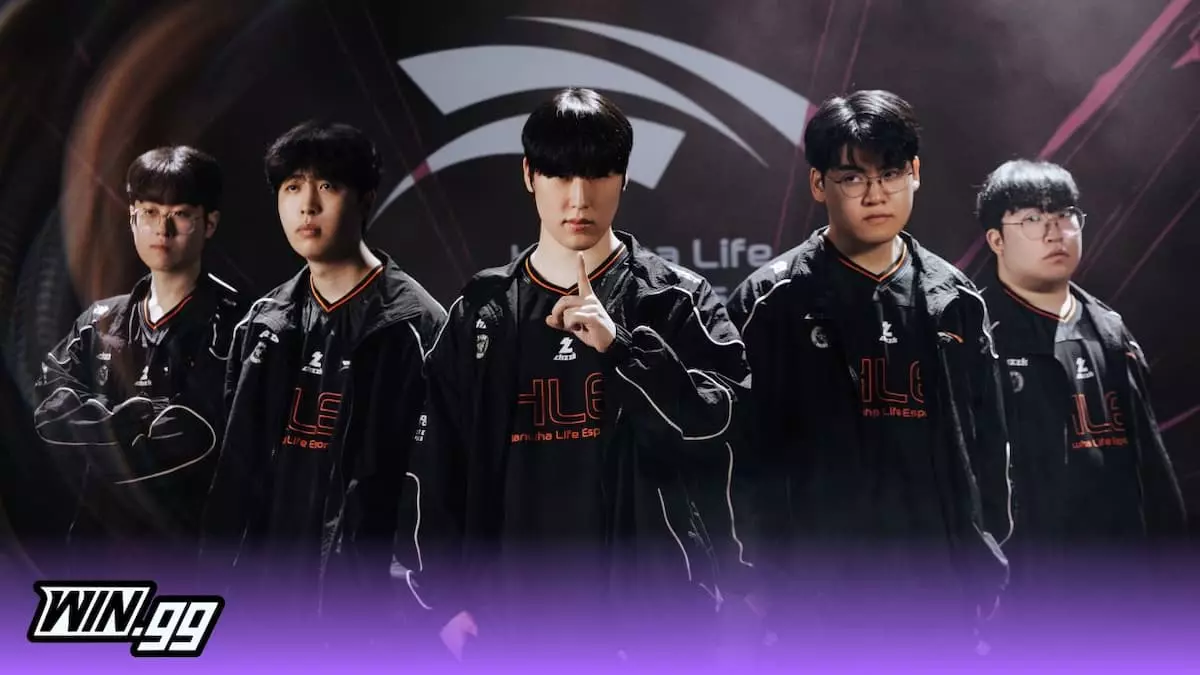
In a heartbreaking moment for North America, Hanwha Life Esports beat LYON in a close 3-2 in the MSI 2026 loser’s final. For South Korea, this means a rematch for HLE against Bilibili Gaming in the grand final, and a fourth slot at Worlds 2026. For North America, it’s yet another near-win against the East as they fall short for the third time in two years. The series between HLE …
 League of Legends
Hanwha Life Esports vs LYON: Best betting odds and picks for MSI 2026
Hannan Mundia
The 2026 MSI lower bracket final will see Hanwha Life Esports take on LYON. Here’s our complete betting analysis and betting picks. After T1’s upset loss at the ongoing MSI tournament, G2 Esports was the next team to fall before reaching the lower bracket final. LYON looked extremely good against the LEC team, but does it have what it takes to take down arguably the strongest LCK team currently? Tournament: …
 League of Legends
G2 Esports proves that T1 has an over-reliance problem
Hannan Mundia
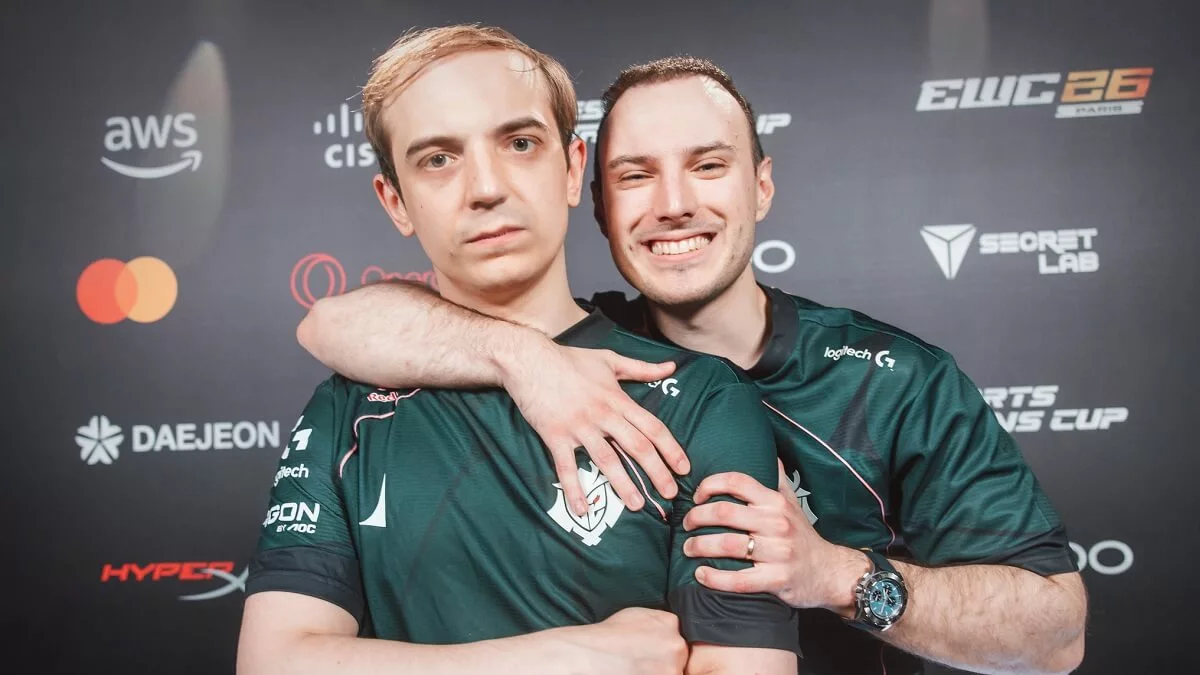
The MSI match between G2 Esports and T1 proved that the LCK powerhouse needs to take a good look at its strategy. For years now, the LCK has been a dominant force in the competitive League of Legends space. While the LCP has occasionally come close to the number one spot, that hasn’t been the case for long. In particular, T1 is easily the biggest name in the scene, especially …
 Esports Betting
G2 Esports reverse sweeps Top Esports at MSI 2026
Wasif Ahmed
It starts with success, and Fnatic is now avenged. G2 Esports started the 2026 Mid-Season Invitational by beating Top Esports 3-2. After starting the series 0-2, they managed to pull off the first reverse sweep in main stage MSI history. The 2026 Mid-Season Invitational started with seven back-to-back 3-0 series. G2 finally broke that streak by beating TES in five games. In doing so, they also broke a much longer-standing …
 Esports Betting
Why are ranged top laners so common in League of Legends?
Wasif Ahmed
In League of Legends Season 2026, top lane has been filled with ranged champions. Outside of the usual few, marksmen and even control mages have found a new home in top. This change in meta is much to the displeasure of players who prefer facing tanks and bruisers. Why did ranged top laners become so frequent and how does one beat them? LoL has always had a few ranged characters …
 Esports Betting
Bilibili Gaming beats T1 at MSI 2026
Wasif Ahmed
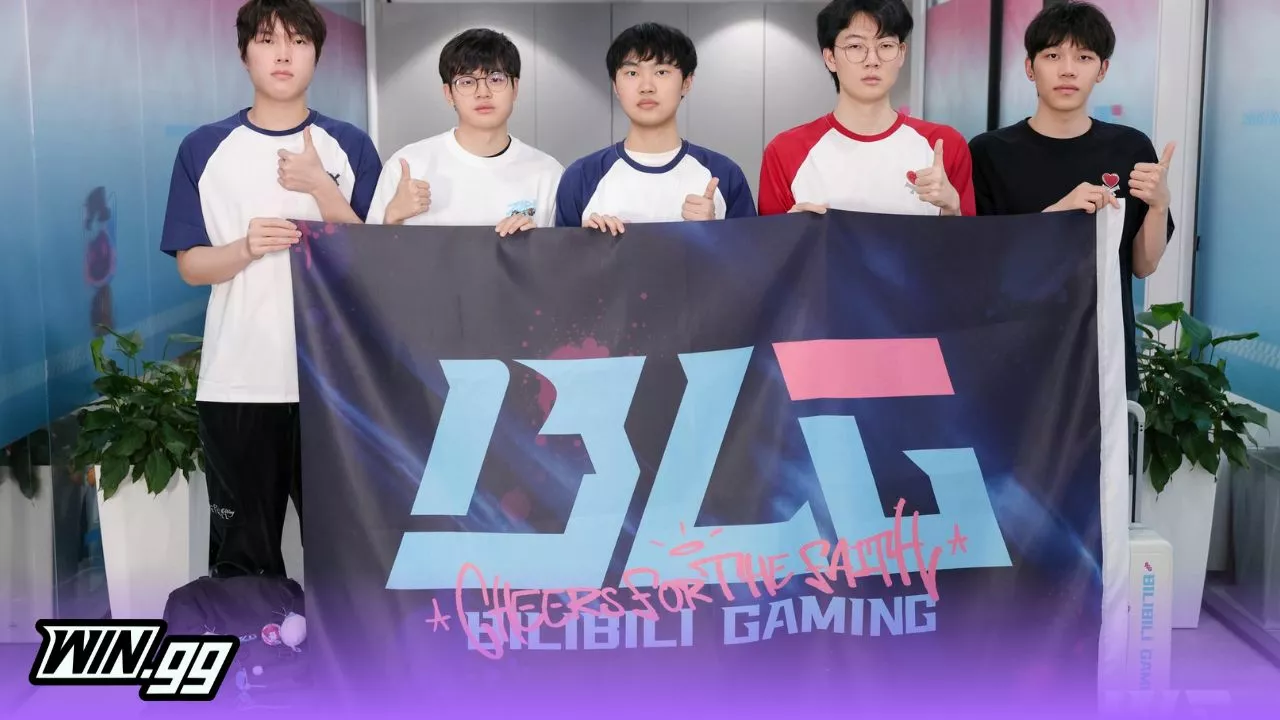
Bilibili Gaming faced T1 in round 1 of the 2026 Mid-Season Invitational. In five games, BLG took down the World champion. The LPL first seed now moves on to face LYON in round 2, while T1 goes to the lower bracket. BLG went up against the LCK’s second seed, and the match turned into a brawl, a rare sight for this tournament. That said, even though T1 won two games, …
 Esports Betting
BLG vs T1: Best betting odds and picks for MSI 2026
Hannan Mundia
BLG and T1 are among the favorites to win the 2026 MSI tournament, which is why so many fans are anticipating their match in the bracket stage’s first round. After BLG’s performance at last year’s World Championship, those who haven’t kept up with the team’s performance may not expect much from it. However, with the LPL team’s revamped roster and strategic approach to League of Legends, there’s a good chance …
G2 Esports vs Top Esports: Best betting odds and picks for MSI 2026
Wasif Ahmed
Esports Betting
After Karmine Corp’s crushing defeat, the hopes of Europe turn to G2 Esports as they face Top Esports. For the LPL, this is their debut match as they seek to defend their current title of best region. The last time, TES won 3-1, while G2 went 3-0 the year before. For this year, here’s our G2 vs TES MSI 2026 prediction. Tournament: Mid-Season Invitational 2026 Stage: Bracket Stage Game: League …
League of Legends Classic will be back in 2026, here’s what we know
Wasif Ahmed
Esports Betting
Riot has announced that League Classic will come out in Season 3 of 2026, as a game mode. League Classic is “old League of Legends”, the ability to play the game on a specific patch from over a decade ago. How much information do we have? What is League Classic, when will League Classic release, and what patch will it be for? Ever wanted to rediscover the old version of …
Karmine Corp vs Team Liquid: Best betting odds and picks for MSI 2026
Hannan Mundia
League of Legends
While both Karmine Corp and Team Liquid lost one series each, both teams will have another chance to continue in the 2026 MSI play-in stage to potentially qualify for the bracket stage. Both participating teams got swept by T1 in this MSI stage, bringing them to the third round. Team Liquid’s performance against Deep Cross Gaming was impressive, but does that really mean that it has what it takes to …
T1 exposes Karmine Corp with 3-0 win at League of Legends MSI 2026
Wasif Ahmed
Esports Betting
T1 just beat Karmine Corp 3-0 in the play-in stage of the 2026 Mid-Season Invitational. More importantly, T1 turned KC’s strengths into weaknesses. The bot lane and teamfight prowess that shone in the LEC were no match this time. The match started with Karmine Corp picking a disrespectful draft, blind picking three immobile squishies. Right off the bat, a botched invade put their jungle and bot lane at a disadvantage. …
The top 12 best players at MSI 2026
Wasif Ahmed
Esports Betting
The 2026 Mid-Season Invitational is mere days away, and it will see the best players in the world face off. The reward is a prize pool of $2,000,000 and extra slots at the upcoming World Championship. So, who are the top 12 best players at MSI 2026? As the most decorated player in recent NA history, Inspired is LYON’s star player. In one word, this jungler is smart. Inspired’s signature …
KeSPA Cup returns in July 2026 exclusively on Disney+
Hannan Mundia
League of Legends
The KeSPA Cup is slated to return sooner than most expected, though its date and exclusive Disney+ partnership raises some questions. The KeSPA Cup is an annual tournament organized directly by the Korea e-Sports Association. While it doesn’t get nearly as much attention as Riot-organized leagues and events, LCK powerhouses still participate in it. 2025’s KeSPA Cup is still fairly fresh since it took place in December. This year’s tournament …
Best betting odds and picks for T1 vs Karmine Corp at MSI 2026
Hannan Mundia
Esports Betting
This year’s MSI is still ongoing, and the next match in the play-in stage is slated to pit T1 against the LEC’s Karmine Corp. Both participating teams absolutely destroyed their respective opponents in this stage’s first round. With two 3-0 scores, both Karmine Corp and T1 have established themselves as powerhouses. However, the level of opposition was clearly different, and that fact may show its face in this match. Tournament: …
T1 vs Team Liquid: Best betting odds and picks for MSI 2026
Hannan Mundia
Esports Betting
The League of Legends Mid-Season Invitational (MSI) 2026 will kick off with T1 facing off against Team Liquid, but will the match really be as one-sided as the betting odds make it out to be? While some didn’t think that the reigning world champions, T1 would make it to this year’s MSI, the team proved many wrong once again. It barely made it to the play-in stage, where Team Liquid …
Karmine Corp vs Deep Cross Gaming: Best betting odds and picks for MSI 2026
Wasif Ahmed
Esports Betting
Karmine Corp goes up against Deep Cross Gaming on the first day of MSI 2026. Obviously, KC is the favorite by a long shot. Does DCG actually stand a chance, though? Can they repeat the achievements of CTBC Flying Oyster who took down KC at First Stand 2025? Tournament: Mid-Season Invitational 2026 Stage: Play-in Game: League of Legends Format: Best-of-five Betting tips: As the second seed from a lower region, …
MSI 2026 team power rankings: Best and worst teams at Mid-Season Invitational
Wasif Ahmed
Esports Betting
The Mid-Season Invitational 2026 starts on June 28. MSI 2026 is two weeks of constant action in Daejeon between the best teams in the world, with one or even two Bo5s a day. How do the attendees stack up? Here’s a power ranking of the MSI 2026 teams. HLE finished ahead in the LCK as the only team to break ahead in the top four. Then, they made quick work …
All MSI 2026 qualified teams: The teams at the Mid-Season Invitational
Wasif Ahmed
Esports Betting
The 2026 Mid-Season Invitational starts on June 28. At this event, 11 orgs from all of LoL’s major regions will face off over three weeks to crown one champion and grant two leagues an extra spot at Worlds 2026. Here are all MSI qualified teams. Each major region sent two representatives at the 2026 Mid-Season Invitational, except for the CBLOL which only has their first seed. Hanwha Life Esports comes …
Riot Games announces Kick partnership for LoL, Valorant, and TFT esports broadcasts
Khizar Mundia
Kick
League of Legends and Valorant developer and publisher Riot Games has announced a massive partnership with live streaming platform Kick. This partnership will bring official broadcasts and co-streaming support to more viewers. Kick isn’t new to the esports scene, and the platform has been pushing for official recognition for some time. The live streaming platform has hosted and supported many esports community broadcasts, notably for Counter-Strike and Valorant. Kick has …
League of Legends
is among the most popular widely-played video games in the world. It has been a consistent trendsetter in the gaming industry, whether as a model for other free-to-play titles looking to monetize their players or as a guiding light for how professional esports can be both successful and sustainable.
It hasn’t always been so though. League of Legends was released in 2009 as an uncertain new project, a game with large aspirations but little proven. In the years since, it has developed into the dominant title that it is today, and one of the biggest games on the planet.
League of Legends drives success of MOBA genre
League of Legends stands out in part because it may arguably be the very first original game released to truly fit into what we now understand to be the increasingly
popular MOBA genre. Multiplayer Online Battle Arenas are a very particular type of game genre that carry out competition between two opposing teams of players on a map. These games test a mix of competition, tactics, and quick reactions, a potent combination that has proven equal parts popular and durable over the years.
While League of Legends was certainly among the first full releases to focus on the genre and its new ideas, it wasn’t actually the origin point for any of it. That distinction belongs to
Blizzard release WarCraft 3,
and more specifically a modified game mode titled
Defense of the Ancients.
WarCraft 3 was a real-time strategy game that featured prominent hero units who could gain in power as they accrued experience points to level up their abilities, and gold to purchase powerful items. Defense of the Ancients was a
user-made game mode
which emphasized these heroes by giving each player control over one such character and teaming them up against an opposing squad of players. It was a dynamite success, inspiring myriad clones and, eventually, an entire genre of games.
But while League of Legends wasn’t the first to bring about these concepts, it was certainly
effective in executing on them. Early developers at publisher Riot Games had a clear idea of what they wanted to accomplish with the creation of League of Legends, and it would be hard to argue against their success given the runaway popularity achieved by their iteration on the MOBA formula.
LoL incorporates esports sustainably
Just as impressive as the long-term success of League of Legends as a game is the continued success of the title’s esports scene. While esports has known multiple peaks and valleys over the years, Riot Games has consistently managed to maintain the prominence of LoL esports. This has been accomplished through an emphasis on
regular regional play
and
sustainability.
Most esports and competitive games at the time used a circuits system, scattering major tournaments for the best teams across the year. Instead, Riot divided the world into separate playing regions. Each region has its own
competitive league
in which the best professional teams play weekly. The best teams in each league are then brought together for an
annual World Championship event
at the end of the competitive year. This allowed for domestic fan followings to develop across such regions as
Korea,
China,
Europe, and
North
and
South America. Fans would closely follow the teams in their region, and from that familiarity would feel invested in cheering them on when they clashed with teams from other regions at the game’s biggest international event.
This basic blueprint has continued to prove successful for Riot Games over the years, though it has expanded and been modified with time. In response to the success of the World Championship, Riot introduced a second international tournament in 2015, the prestigious
Mid-Season Invitational. In 2025,
First Stand
was added to bring LoL esports to three international events per year. Once again the scene was enhanced and this indirectly expanded the opportunities for
League of Legends esports betting. In the meantime, the regional leagues have spread out to include
more regions and lower levels, solidifying their identity.
The basic formula remains the same, however.
Encourage fan support on a domestic level, and then carry that support and interest over to
the global stage. It’s a formula that continues to power League of Legends esports, and looks set to enable it for many years yet to come.
At Win.gg, our coverage of LoL esports spans from the broader competitive updates and their impact on the scene to in-depth high-profile match previews with team analysis, head-to-head analysis,
LoL betting odds
sense-makers and predictions. All of these based on the insights of our experienced esports journalists.

 Esports Betting
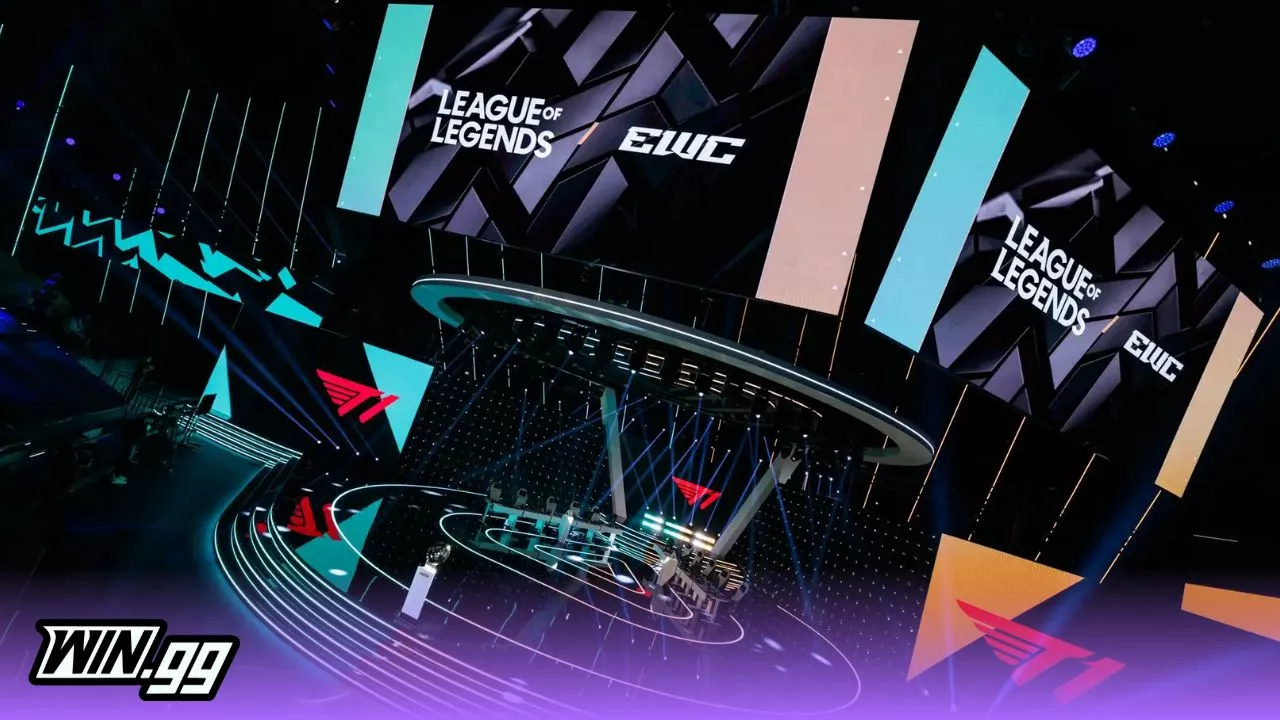
League of Legends at the EWC 2026 preview, details, predictions, and more
By
Hannan Mundia
Esports Betting
League of Legends at the EWC 2026 preview, details, predictions, and more
By
Hannan Mundia
 League of Legends
HLE’s MSI win may have proven that Gumayusi’s the GOAT
By
Hannan Mundia
League of Legends
HLE’s MSI win may have proven that Gumayusi’s the GOAT
By
Hannan Mundia
 Esports Betting
Here’s the complete Esports World Cup (EWC) 2026 schedule
By
Hannan Mundia
Esports Betting
Here’s the complete Esports World Cup (EWC) 2026 schedule
By
Hannan Mundia
 Esports Betting
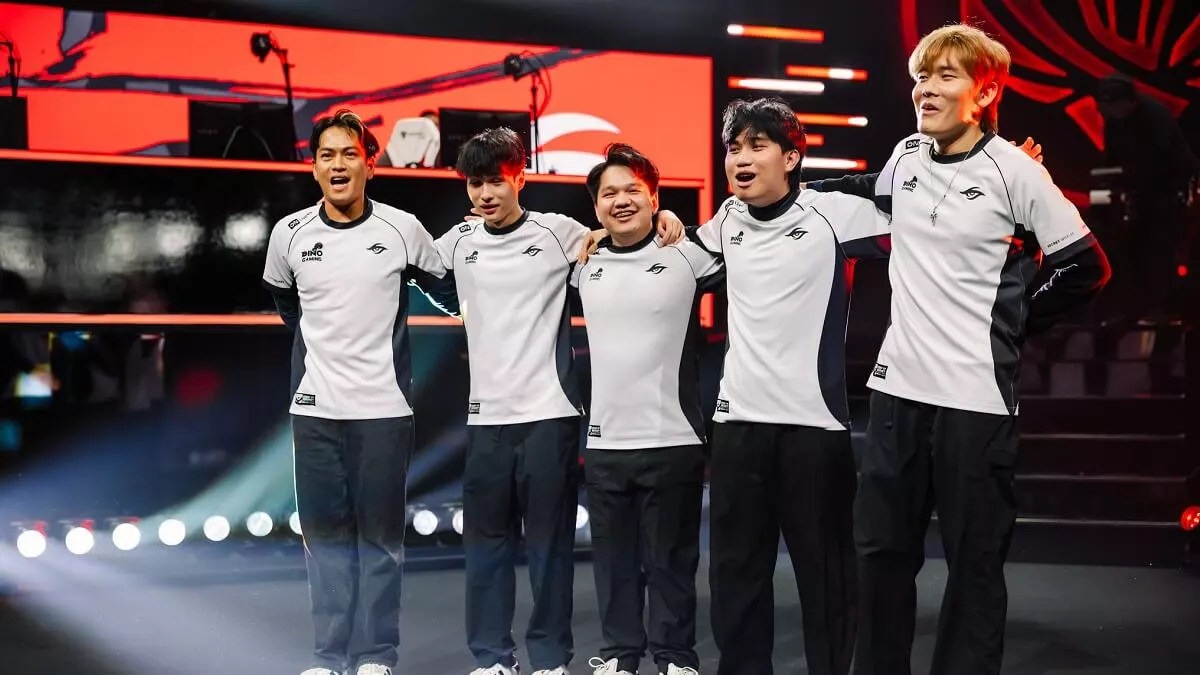
Team Secret Whales stun Top Esports as LCP finally breaks the East’s Bo5 wall
By
Wasif Ahmed
Esports Betting
Team Secret Whales stun Top Esports as LCP finally breaks the East’s Bo5 wall
By
Wasif Ahmed
 Esports Betting
Karmine Corp is the third LEC team to go winless against major regions at MSI
By
Wasif Ahmed
Esports Betting
Karmine Corp is the third LEC team to go winless against major regions at MSI
By
Wasif Ahmed