
Exclusive Interview: NexTide CEO Alexander Guerrero on Why Brands Should Be Buying Communities, Not Creators


Livestreaming has developed into one of the fastest-growing areas of digital media. Despite this rapid growth, many brands continue to approach the industry by using traditional influencer marketing techniques — a mentality that Alexander Guerrero believes is outdated.
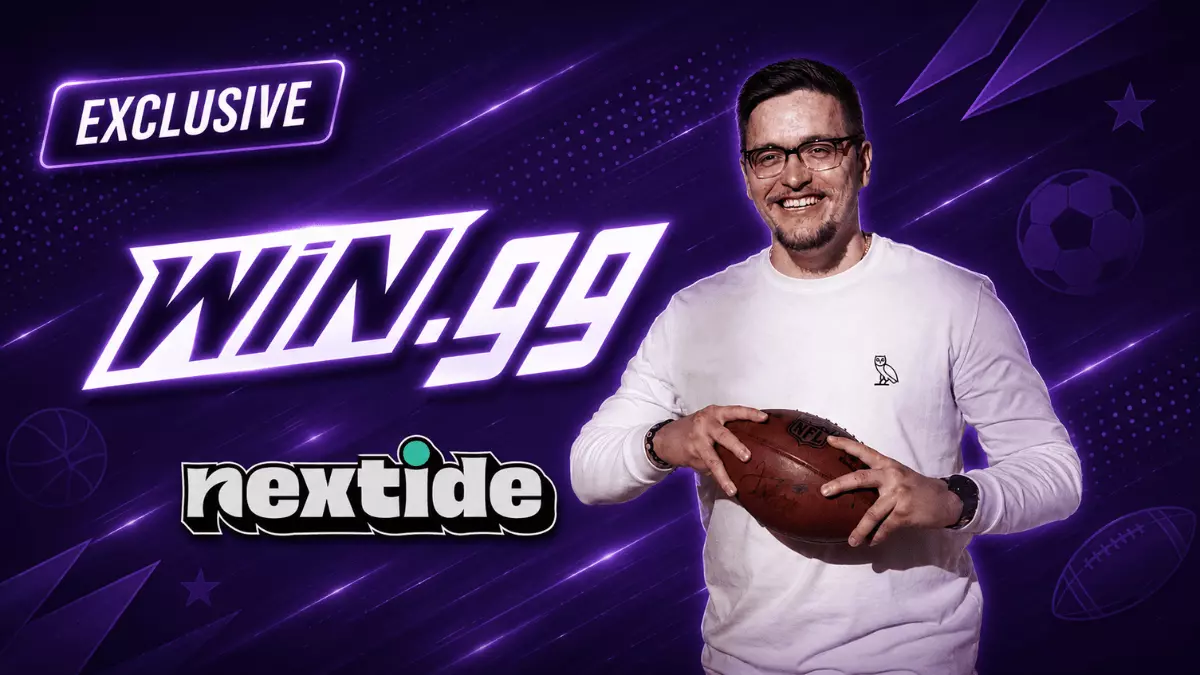
Guerrero is the founder and CEO of NexTide, a company that helps brands better understand and engage with livestreaming communities. His background spans advertising, sports, media and creator partnerships, including work with the NFL.
In this exclusive WIN.gg interview, he discusses why community is becoming crucial, how AI is being used in marketing, the thinking behind NexTide’s Kraken platform, and why livestreaming should be seen as a media channel in its own right.
WIN.gg: For readers who may not be familiar with you, could you tell us a little about your background and what led you to found NexTide?
Alexander: I got into advertising because I watched Mad Men way too young and thought, “Wait… people actually get paid to come up with ideas?” That pretty much set the course for everything after that.
I started in traditional advertising and media, working agency-side on brands like Verizon and Sephora before making the jump into gaming during the pandemic. That eventually led me into creator partnerships where I spent years building campaigns with companies like LEGO, the NFL, State Farm, and over a hundred more.
Over time, I realized livestreaming had all the attention in the world, but none of the infrastructure. Brands wanted to invest, streamers wanted sustainable revenue, but there wasn’t a system that made those two things easy.
That’s why I started NexTide. We’re building the infrastructure that turns livestreaming into a true advertising channel.
WIN.gg: Before founding NexTide, you spent years working in advertising and strategic partnerships. Was there a particular moment when you realised the traditional marketing playbook wasn’t keeping pace with livestreaming?
Alexander: There was. My co-founder Kyle and I were tossing a football around in his office before another live event, mostly as a quick stress break before the chaos started. We had spent months coordinating talent, brands, agencies, production teams, approvals, revisions, and about a million moving pieces for something that would be live for a few hours.
That was the pattern across the industry. Brands were investing heavily, but every campaign had to be rebuilt from scratch. There was no easy way to scale it, measure it consistently, or turn one successful activation into an ongoing media strategy. Streamers faced the same problem on the other side. Every sponsorship was another custom negotiation and another set of hoops to jump through.
That conversation was the real starting point for NexTide. The issue was never a lack of creative ideas. We had plenty of those. The issue was that livestreaming was being sold like a series of stunts instead of a media channel. We wanted to build the infrastructure that made it simpler, repeatable, and genuinely scalable for both brands and streamers.
WIN.gg: Your career has spanned agencies, media companies and now a start-up. What’s the biggest difference between how established brands think about creator marketing and how you think they should be thinking about it?
Alexander: A lot of brands still think they’re buying creators. Which ultimately they’re not. They’re buying communities. A creator is one person. A community is thousands of people choosing to spend hours together because they trust the person at the center of it.
Once brands start thinking about streamers as media publishers instead of influencers, the conversation changes completely.
WIN.gg: You argue that creator trust is becoming more valuable than raw impressions. Is that something marketers genuinely believe today, or are many still chasing the biggest audience numbers?
Alexander: Marketers know trust matters, but they haven’t figured out how to buy it yet. We’re still operating on metrics that were built for traditional digital like followers, impressions, and CPMs.
Meanwhile, someone can have two million followers and 200 people watching live, or 80,000 followers and 2,000 people hanging on every word. I’ll take the second creator every single time.
WIN.gg: You’ve worked with brands ranging from State Farm to the NFL. What have those organisations learned from gaming communities that surprised them?
Alexander: Probably that gaming communities are way more sophisticated than people give them credit for. You can’t fake your way in. If something feels like an ad, they’ll tell you immediately (usually in all caps).
But if you show up in a way that actually adds to the experience, they’ll embrace you. State Farm is actually a great example of that with their Gamerhood series, which has been a mainstay of summers on Twitch for the last handful of years. You can tell that’s a brand that gets it and hasn’t been afraid of trying new things and adapting their content based on audience feedback.
It’s ultimately a really valuable lesson beyond gaming. These audiences reward brands that participate in culture instead of interrupting it.
WIN.gg: Livestream audiences can be brutally honest. We’ve all seen sponsorships criticised for feeling forced or inauthentic. What separates campaigns that genuinely resonate from those that fall flat?
Alexander: People can smell a forced sponsorship from a mile away. The campaigns that work usually start with a simple question: “What would this streamer actually do if nobody paid them?” Then build around that.
The worst thing you can do is hand someone talking points and expect authenticity like a traditional sponsored stream. The best thing you can do is give them guardrails and let them be themselves, which is how we operate on the NexTide side of things.
WIN.gg: AI is becoming impossible to ignore in marketing. Beyond the buzzwords, where do you think it will genuinely improve decision-making, and where do you think people are overestimating its capabilities?
Alexander: AI is going to make people dramatically better at making decisions. I don’t think it’s going to replace people making them.
Everyone talks about AI replacing creativity. I don’t buy that. Where AI shines is helping us understand communities at a scale humans simply can’t.
Reading sentiment across millions of chat messages. Identifying trends. Understanding context. Giving marketers better information.
The key, though, is the human still has to decide what to do with it. That’s going to be the next great skill gap. AI isn’t an oracle.
Kraken by NexTide
WIN.gg: NexTide recently launched Kraken. Without getting too technical, what problem were you trying to solve that existing marketing tools weren’t addressing?
Alexander: One thing that always bothered me was how little brands actually knew about the communities they were investing in. You could tell them demographics, followers, average viewership.
But nobody could answer questions like:
“What does this community actually care about?”
“How do they feel about my brand?”
“When are the moments I should actually show up?”
That’s what Kraken was built to answer. It turns live conversation into actionable intelligence instead of yet another reporting dashboard.
WIN.gg: Looking beyond your own company, what’s one trend in the creator economy that you think the industry is still underestimating?
Alexander: Community. Everybody talks about creators, but community is becoming the most valuable asset in media. The creator gets people in the door, while the community keeps them there. The brands that understand that distinction are going to have a huge advantage over the next decade.
WIN.gg: Everyone talks about the biggest names, but where do you think the real opportunities lie for mid-tier creators over the next few years?
Alexander: Honestly, this is where the biggest opportunity is. Everyone chases the biggest names because they’re recognizable. But the middle of the market is where you find incredibly engaged communities, reasonable pricing, and creators who are still building.
Some of the best campaigns I’ve ever worked on weren’t with the biggest creator. They were with the right creator — those are two very different things.
WIN.gg: Finally, if we had this conversation again in, say, five years, what do you think would be the biggest thing we’d have got wrong about where livestreaming was heading?
Alexander: I actually think we’ll laugh that we ever called livestreaming “creator marketing”. We’ll just call it media. Streamers are becoming media publishers. Communities are becoming audiences. And the tools around them are finally catching up.
Five years from now, I don’t think the conversation will be “Should brands invest in livestreaming?” It’ll be, “How did we ever build a media plan without it?”

Ben is the Lead Editor at Win.gg, bringing a decade of iGaming industry experience having worked for both the operator and affiliation sides. With a formal journalism background, he is responsible for ensuring that every piece of content that we publish is relevant, accurate and well-written. In his own time, he enjoys playing video games and especially enjoys Rockstar titles, considering Red Dead Redemption 2 the finest title ever made. He has also spent a lot of time playing GTA V over the years and is fascinated by how streaming is changing the landscape of the industry.
View full profileRead Also
 Twitch
 Kick
Kick
 Dota 2
 Twitch
 Fortnite
 Valorant
 Kick
Kick